Claim Your Free Roofing Estimate Today
Protect Your Home and Save Thousands on Future Damage
Ignoring Minor Leaks and Damage
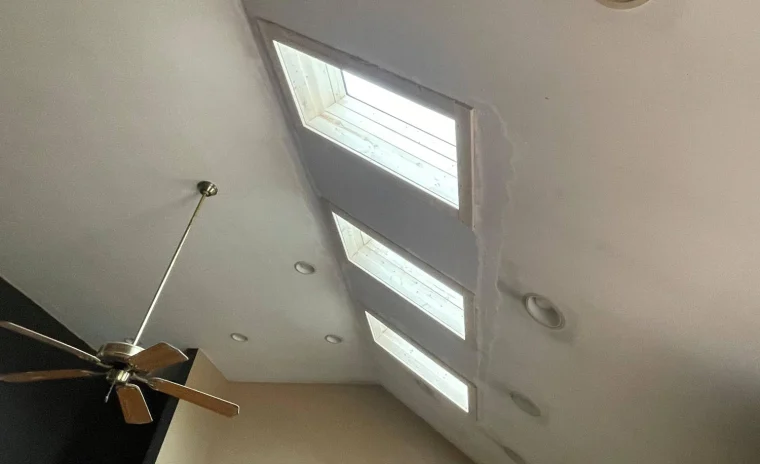
Small roof leaks rarely stay small. What begins as a discolored ceiling patch or a minor drip during heavy rain often signals underlying damage that spreads rapidly through decking, insulation, and framing. Homeowners frequently delay addressing these warning signs, assuming the problem will remain manageable or that a quick patch will suffice. This approach almost always backfires.
In East Tennessee, the combination of humid summers and freeze-thaw cycles during winter accelerates deterioration once water penetrates roofing materials. A leak that seems insignificant in July can expand dramatically by February, when moisture trapped in the roof deck freezes, expands, and cracks surrounding materials. We regularly encounter situations where a $300 repair ignored for two seasons becomes a $4,000 structural restoration project requiring deck replacement and mold remediation.
The consequences extend beyond immediate repair costs. Water infiltration promotes mold growth within walls and attic spaces, creating health hazards and reducing indoor air quality. Structural framing can weaken to the point where ceiling joists sag or fail. Insurance companies may deny coverage for water damage if they determine the leak resulted from deferred maintenance rather than a sudden, covered event.
Address visible signs immediately: water stains on ceilings, damp insulation in the attic, missing or curled shingles, or daylight visible through roof boards. Schedule an inspection within days of discovering these issues. Professional roof repair performed promptly prevents minor problems from escalating into emergencies that disrupt your household and drain your budget.
Choosing the Cheapest Contractor
Price shopping for roofing work makes financial sense until the lowest bid costs you far more than you saved. Contractors who underbid competitors typically cut corners somewhere: substandard materials, inexperienced labor, inadequate insurance coverage, or rushed installation that violates manufacturer specifications. These shortcuts surface months or years later as premature failure, voided warranties, and liability exposure.
The Kingsport area sees its share of fly-by-night operations, particularly after severe weather events when demand for repairs spikes. These operators submit artificially low bids, collect deposits, and either disappear before completing work or deliver such poor quality that homeowners must hire legitimate contractors to fix the damage. Even well-intentioned low bidders often lack the expertise to properly diagnose underlying issues. They address visible symptoms while ignoring hidden damage, leaving you with recurring problems.
Quality roofing work requires proper material selection, skilled installation following manufacturer protocols, adequate ventilation design, and attention to flashing details around chimneys, valleys, and penetrations. Reputable contractors carry liability and workers’ compensation insurance, provide verifiable references, and warranty their labor. These protections cost money but shield you from catastrophic financial exposure if someone is injured on your property or workmanship fails prematurely.
Request detailed written estimates that itemize materials, labor, timeline, and warranty terms. Verify licensing, insurance, and business history. Ask for local references and inspect completed projects. The middle bid often represents the best value, balancing cost with quality and reliability. When considering contractors for your project, prioritize those who demonstrate transparency, experience with regional conditions, and commitment to proper installation standards.
Overlooking Thorough Roof Assessment
Proceeding with roof repairs without a thorough professional inspection resembles treating symptoms without diagnosing the disease. Visible damage on the roof surface often stems from problems you cannot see: inadequate ventilation causing heat buildup, improperly installed flashing directing water into wall cavities, or structural issues allowing the roof deck to sag. Repairing only what you observe leaves these root causes untouched, guaranteeing future failure.
A proper inspection evaluates the entire roofing system, not just damaged areas. This includes examining attic ventilation, checking for proper installation of drip edges and ice barriers, assessing the condition of underlayment, inspecting flashing around chimneys and vents, and evaluating structural support. In the Tri-Cities region, inspectors pay particular attention to ventilation systems, as inadequate airflow accelerates shingle deterioration during hot, humid summers and contributes to ice dam formation when temperatures fluctuate in winter.
Skipping this step leads to incomplete repairs that fail quickly. We frequently encounter situations where homeowners paid for shingle replacement only to discover within a year that rot in the underlying deck caused the new shingles to fail. Had they invested in an inspection initially, they would have identified the deck damage and addressed it during the first repair, avoiding duplicate labor costs and additional material expenses.
Inspections also provide documentation for insurance claims, home sales, and warranty validation. They establish a baseline condition that helps you track deterioration over time and plan for eventual replacement. Before authorizing any repair work, insist on a written inspection report detailing all findings. This investment, typically a few hundred dollars, can save thousands by ensuring repairs address actual problems rather than superficial symptoms. Contact qualified professionals who provide detailed assessments and transparent recommendations tailored to your specific situation.
Mismatching Materials to Climate
Roofing materials perform differently depending on climate, roof pitch, and environmental exposure. Selecting products based solely on appearance or initial cost without considering regional conditions invites premature failure. East Tennessee’s climate presents specific challenges: intense summer heat, high humidity, substantial rainfall, and occasional ice accumulation during winter. Materials must withstand these varied stresses while maintaining structural integrity and weather resistance.
Three-tab asphalt shingles, while economical, may not provide adequate durability for homes with southern or western exposure in this region. The intense sun exposure common during summer months accelerates granule loss and thermal cycling that shortens lifespan. Architectural shingles with higher wind ratings and better heat resistance typically offer superior performance and longer warranties. Metal roofing provides excellent longevity and weather resistance, though installation requires specialized skills that not all contractors possess.
Color selection matters more than most homeowners realize. Dark shingles absorb heat, increasing attic temperatures and cooling costs while potentially shortening shingle life through accelerated aging. Lighter colors reflect more solar radiation, reducing thermal stress on roofing materials and improving energy efficiency. In areas prone to moss or algae growth due to shade and moisture, algae-resistant shingles prevent unsightly black streaks that compromise curb appeal.
Proper material selection also considers roof slope, ventilation requirements, and compatibility with existing structures. Low-slope roofs need different underlayment than steep-pitch applications. Valleys require specialized materials to handle concentrated water flow. Flashing materials must match the corrosion resistance of surrounding components. Work with professionals who understand regional conditions and can recommend materials proven to perform well in this climate. Quality material selection, properly installed, extends roof life and reduces long-term maintenance costs significantly compared to budget materials that require frequent replacement.
Postponing Repairs Until Crisis
Timing decisions separate manageable repairs from household emergencies. Waiting until leaks become severe, storms are forecast, or winter weather arrives transforms straightforward projects into rushed, expensive crises performed under adverse conditions. Emergency repairs cost substantially more than scheduled work, and contractors working under time pressure or poor weather cannot deliver the same quality as properly planned projects.
Seasonal timing matters particularly in this region. Spring and fall offer ideal conditions for roofing work: moderate temperatures, lower humidity, and stable weather patterns. Summer heat makes shingle installation challenging, as extreme temperatures affect adhesive activation and worker safety. Winter cold prevents proper sealing and makes materials brittle. Scheduling repairs during optimal weather windows ensures proper installation and allows adequate time for thorough work without weather-related compromises.
Demand fluctuations also affect timing. After major storms, reputable contractors book out for months. Homeowners who need immediate repairs either wait extended periods or settle for less qualified operators willing to take on additional work. Scheduling maintenance and repairs proactively during slower periods, typically late fall through early spring, provides access to experienced crews, better scheduling flexibility, and often more competitive pricing. You gain the advantage of unhurried, methodical work rather than rushed emergency response.
Financial timing deserves equal consideration. Budgeting for necessary repairs before they become emergencies allows you to secure financing on favorable terms, compare multiple contractors thoroughly, and make informed decisions without desperation. Emergency repairs often require immediate payment and limit your ability to negotiate or shop for value. Plan ahead by scheduling annual inspections, budgeting for anticipated repairs, and addressing problems during their early stages when costs remain manageable. This approach protects your investment, maintains your home’s value, and eliminates the stress of crisis-driven decisions. For guidance on scheduling maintenance or addressing current concerns, connect with local professionals who can assess your situation and recommend appropriate timing for necessary work.